The Functional Power of Spices in Turkish Cuisine
When we taste a dish from Turkey, the flavor journey often begins with spices—the earthy whisper of cumin, the tang of sumac, the aromatic flicker of thyme. But in Turkish cuisine these spices serve more than an immediate flavor punch: they bear historical, cultural and even nutritional weight. According to recent research, the most used spices in Turkish cooking—such as anise, poppy seed, black pepper, cinnamon, thyme, coriander and sumac—are rich in terpenoids and phenolic compounds. These functional molecules are associated with antioxidant, anti‑inflammatory, antimicrobial, and even anticancer activities.
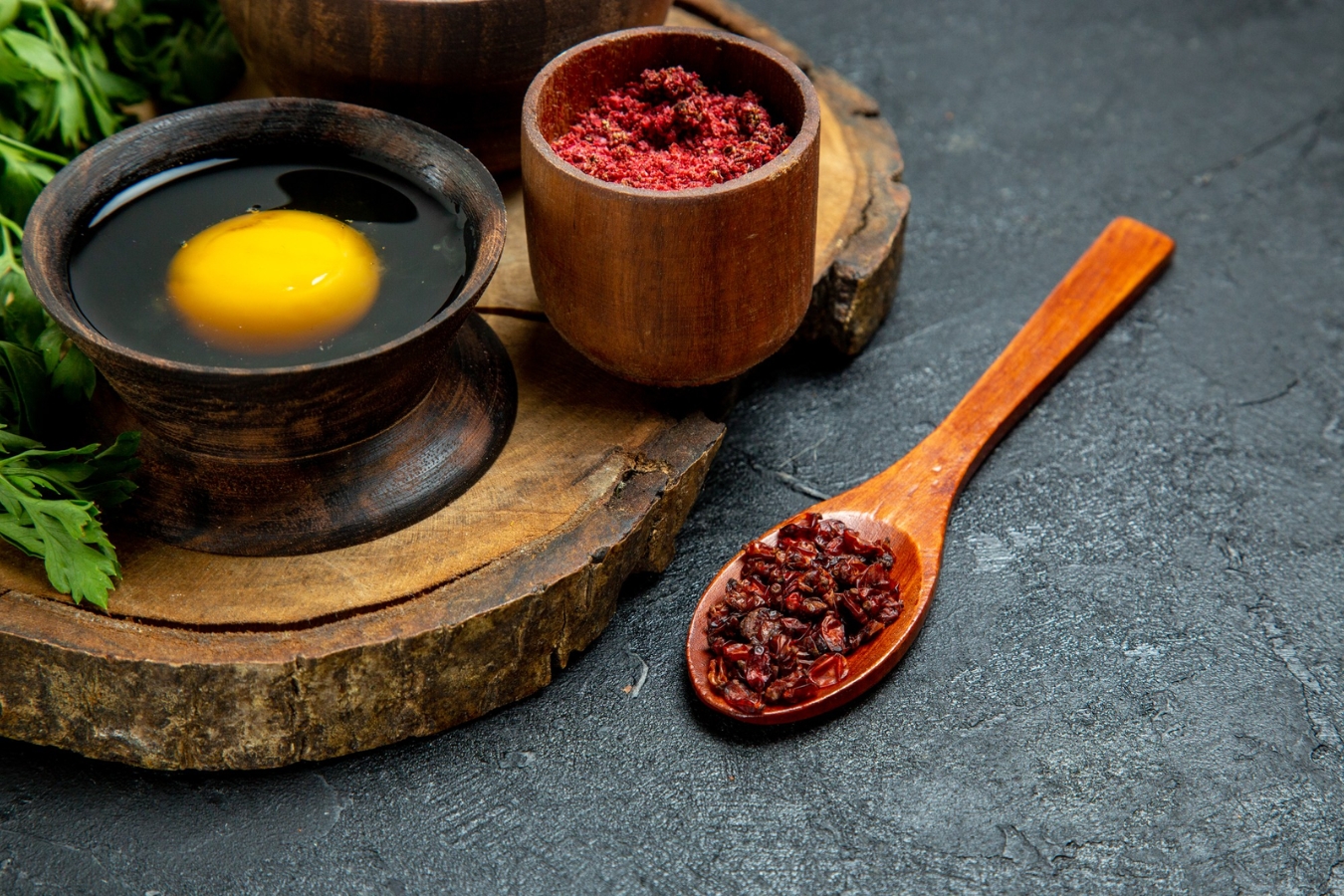
Take sumac, for example. With its deep burgundy hue and tart lemon‑like flavor, sumac is used as a garnish on meats, salads and dips, but its ground berry origin means it retains naturally occurring acids and antioxidants. Meanwhile, thyme and mint—wild‑harvested in Anatolian foothills—bring aromatic freshness and are prominent in lighter dishes and marinades. Understanding these spice choices reveals how Turkish cuisine evolved: not just as flavor‑forward, but as pragmatic, regionally attuned and rooted in wellness. As one article puts it: “Turkish cuisine, with its rich spice content, supports health maintenance and improvement.”
In practice, this means when you enjoy a Turkish dish, you’re partaking in layers of meaning: each spice has a reason, each herb a heritage. The next time you savor a dish spiced with cumin or dusted with sumac, consider that the flavor is centuries in the making—and that the dish is nurturing as well as delicious.
Recent Post