Spice, Heritage and Trade: Layers of Flavor in Turkish Cuisine
At first glance, Turkish cuisine might appear as a collection of flavors—olive oil here, grilled meat there, a sweet pastry for dessert. But dig deeper and you’ll find a rich tapestry of history: nomadic herders crossing the steppes, Seljuk and Ottoman empires collecting chefs and recipes, Mediterranean seafaring bringing produce and methods, and marketplaces echoing with trade for spices and grains. In that sense, food becomes culture on the plate.
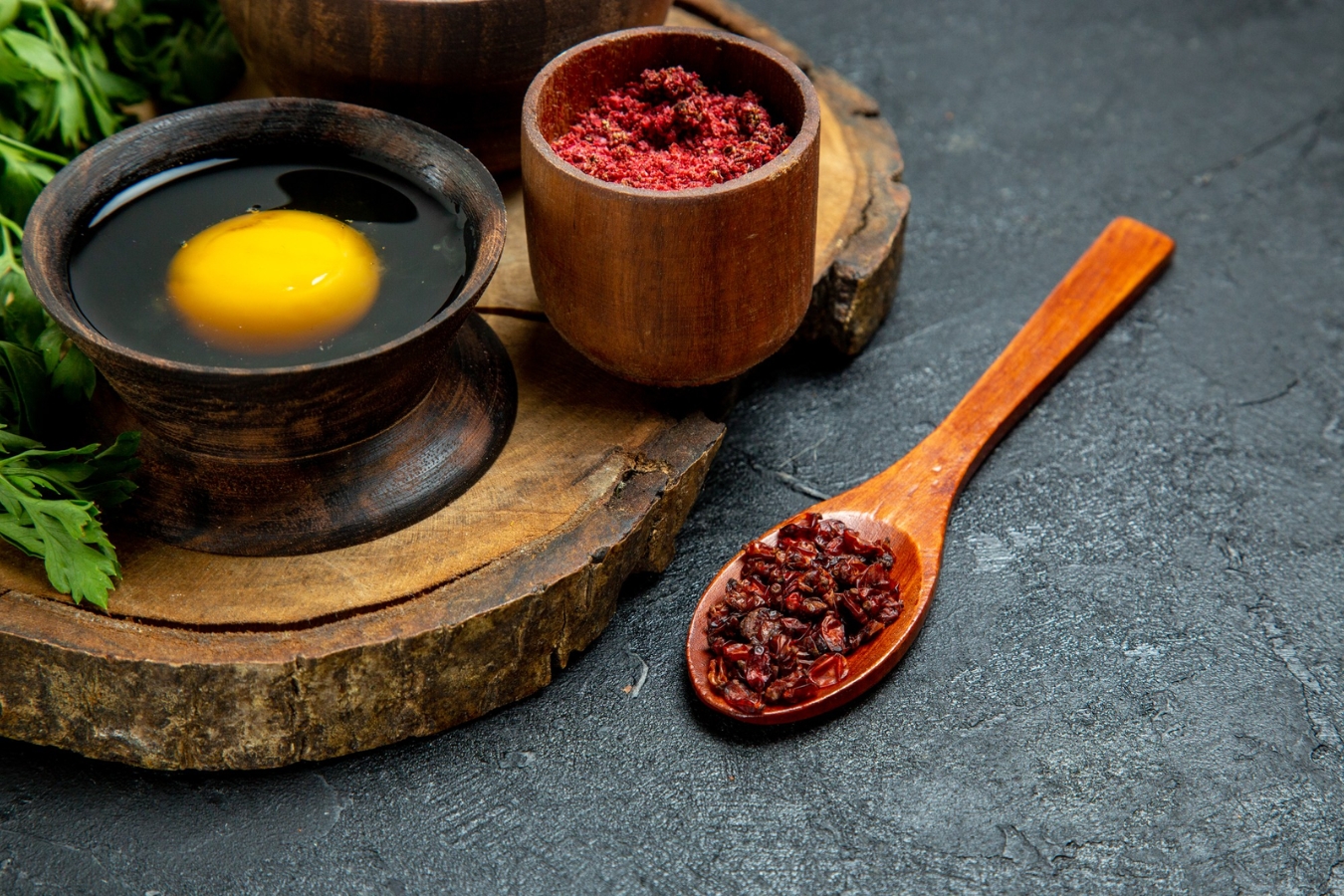
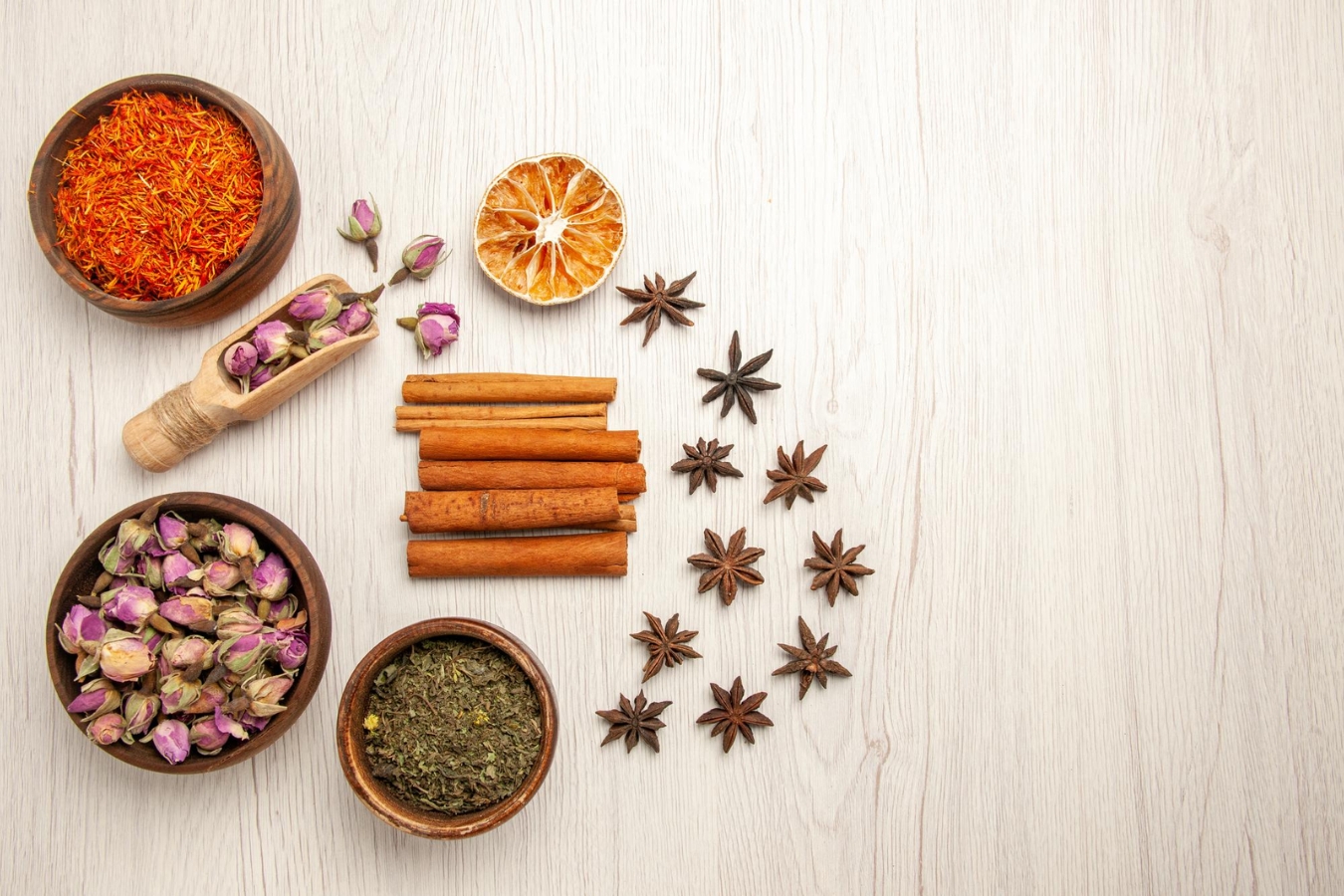
Consider how spices travelled: black pepper, cinnamon, cardamom, cloves—items that arrived through trade and then were localized in Turkish kitchens. Research shows that many spices common in Turkey today (anise, poppy seed, cinnamon, thyme, coriander, sumac) contain functional compounds—terpenoids, phenolic compounds—with health benefits such as antioxidant and antimicrobial effects.
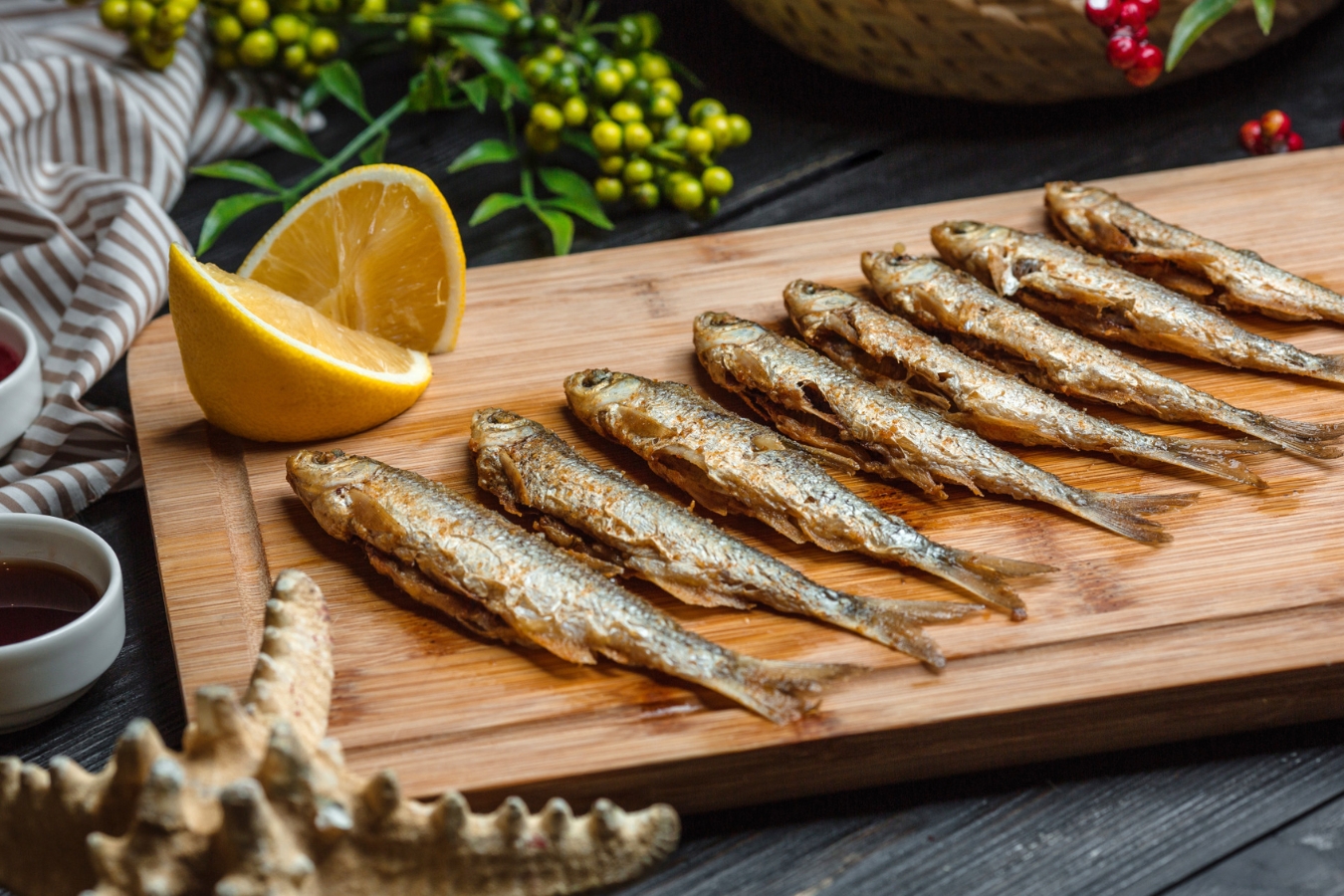
Likewise, regional styles emerged as geography-related produce and methods. Olive‑oil‑rich Aegean plates, butter‑heavy Black Sea kitchens, lamb‑and‑grain Anatolian stews: each tells a story of climate, terrain and culture. One good resource note: “The Black Sea region… draws heavily on ingredients such as corn, anchovies (hamsi), collard greens, and dairy.”
So, when you serve or taste Turkish cuisine, you’re not just enjoying dinner—you’re partaking in history. The dishes carry memory, geography, and movement. They reveal how people fed themselves, celebrated, survived and innovated. The next time you enjoy a Turkish meal, consider the story behind the spice jar, the hill from which the wild herb was gathered, the sea the fish was caught in—and savor not just flavor, but connection.
Recent Post